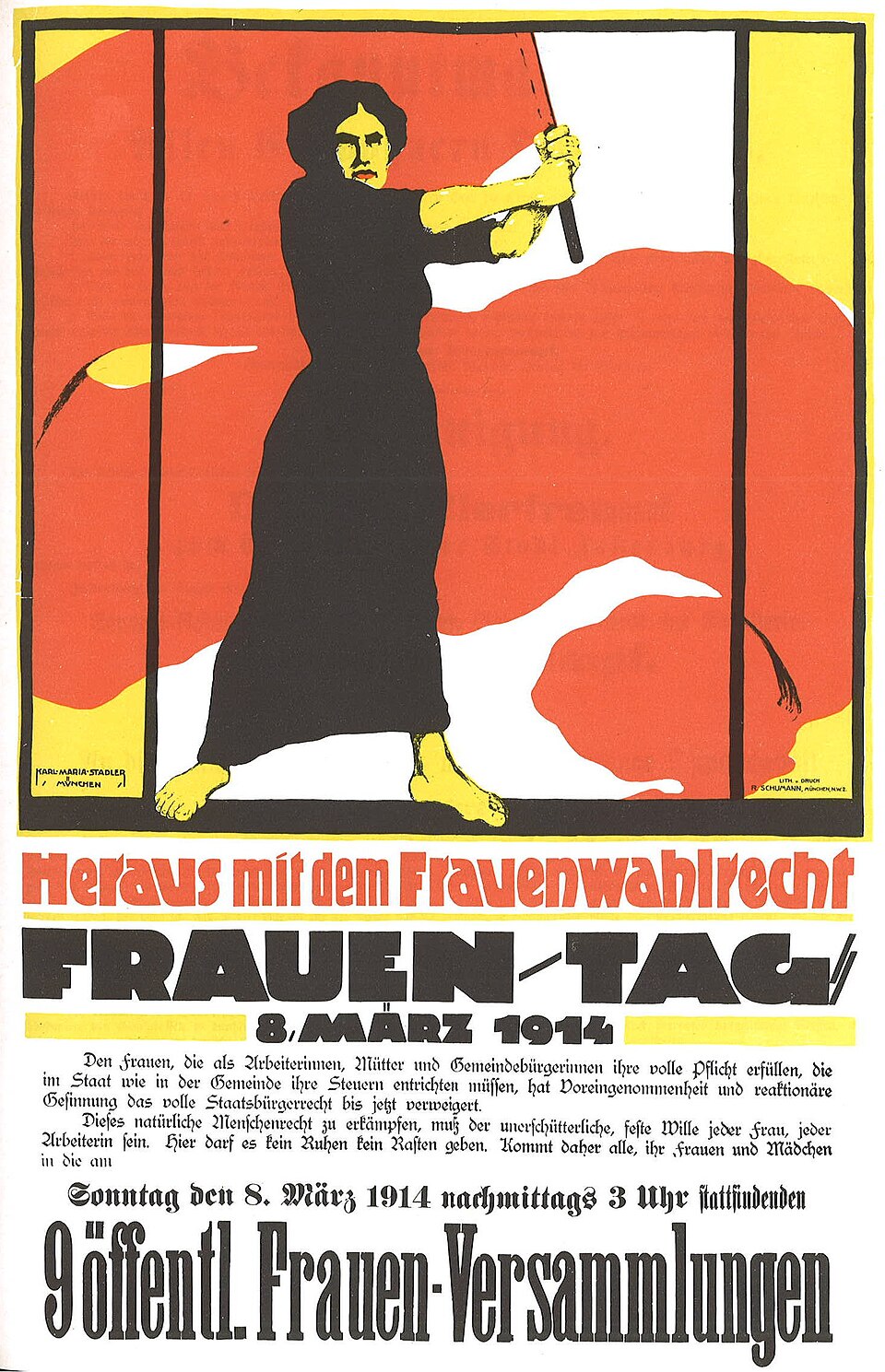
Beyond Flowers: March 8 as a Day of Struggle and Women's Rights
March 8 is a date that often conjures images of vibrant bouquets and heartfelt greetings, a day to celebrate the women in our lives. However, to truly understand the profound significance of International Women's Day is to look beyond these surface-level pleasantries and delve into its fiery origins. This day is not merely a celebration; it is a potent reminder of the historical and ongoing
march 8 struggle for women's rights, born from profound injustices and fueled by an unyielding spirit for equality and liberation.
The Genesis of Defiance: The Fiery Roots of Women's Labor Rights
The foundation of March 8 is deeply embedded in the brutal realities faced by working women in the 19th and early 20th centuries. The reference context points to a pivotal moment on March 8, 1857, in New York, where thousands of female textile workers, toiling under horrendous conditions, took a courageous stand. These women, working alongside men, performed identical tasks but were subjected to drastically unequal pay. Their labor was deemed less valuable, a stark reflection of a system designed to exploit and diminish their worth.
Their demand was simple yet revolutionary: equal pay for equal work. This collective action – a strike that brought production to a halt – was a powerful assertion of their inherent value and a direct challenge to the capitalist system that profited from their cheap labor. For the employers and capitalists, this demand was not just a financial threat; it was a profound danger to the existing power structures. The success of such a strike would not only set a precedent for other workers but also ignite a broader awareness of women's collective power.
The response was swift and barbaric. To quash the burgeoning spirit of resistance, the workshop doors were reportedly locked, trapping the women inside, before the factories were set ablaze. This horrific act, which claimed dozens of lives, stands as a chilling symbol of the lengths to which dominant forces would go to silence women's voices and crush their demands for justice. It echoed a destructive mentality that historically suppressed women's courage and intelligence, reminiscent of earlier eras when women were persecuted under the guise of "witchcraft." The fire consumed not just buildings, but lives and hopes, yet it inadvertently forged an enduring symbol of resistance that would echo through history. This tragic event, whether precisely dated or a powerful symbolic amalgamation of early industrial struggles, cemented March 8 as a day rooted in a fierce
March 8: The Fiery Legacy of Women's Fight for Equal Labor.
March 8: A Day of Political Action, Not Just Celebration
From these brutal beginnings, March 8 evolved. It was adopted by socialist movements and women's rights advocates as a dedicated day for political action and commemorating past struggles. Early women's movements, particularly those with socialist leanings, recognized that true liberation required not just social reform but systemic change. They fought for fundamental rights like suffrage, equal pay, and safer working conditions, understanding that these were interconnected battles against patriarchal and capitalist oppression.
Therefore, March 8 is inherently a day of struggle and political mobilization. It's a moment to reflect on the immense sacrifices made by countless women who dared to demand a better world. It’s a day to remember that the rights we often take for granted today – the right to vote, to work, to organize – were hard-won through tireless activism and profound courage. Reducing March 8 to mere pleasantries risks diluting its powerful legacy and obscuring the ongoing challenges that demand our attention and action. It is a day to acknowledge the long history of the
march 8 struggle and recommit to its principles.
Unpacking Women's True Essence: Creation, Truth, and Freedom
The reference context beautifully articulates the deeper meaning attributed to women's existence: a connection to roots, society, and freedom. Women, it suggests, embody a unique balance of emotion and reason, possessing an innate ability to see and create beauty, and to wield the language of truth. Their power of creation extends far beyond biological reproduction; it encompasses the shaping of culture, morality, and social consciousness.
Historically, life and society flourished around these core feminine qualities, with women often at the heart of developing shared cultures and values. Spring, the season of renewal, is metaphorically presented as a time for women's struggle and the elevation of these inherent values. Yet, precisely when women's influence was most profound, dominant patriarchal mentalities sought to suppress their voices, dismantle their partnerships, ignore their demands for justice, and undermine their organizations. This suppression aimed to silence women completely, severing their connection to their own meaning and power.
Understanding this intrinsic link between women's essence and their struggle is crucial. When women are free to embrace their creative power, their unique perspectives, and their ability to speak truth, society as a whole benefits. The `march 8 struggle` is, at its heart, a fight to reclaim and celebrate this profound essence. By embracing their own meaning, women create their greatest difference, challenging oppressive systems and weaving a more just and equitable world. For a deeper dive into this connection, explore
March 8: Unpacking Women's Roots, Freedom, and Power of Creation.
The Ongoing Struggle: Contemporary Challenges and Future Tasks
While significant progress has been made since 1857, the `march 8 struggle` is far from over. Many of the fundamental inequalities that sparked the textile workers' strike persist in various forms globally. The gender pay gap, for instance, remains a stark reality in most countries, with women still earning less than men for comparable work. Gender-based violence, from domestic abuse to human trafficking, continues to plague communities worldwide. Women are still underrepresented in leadership roles across politics, business, and academia, limiting their influence on decisions that shape their lives and societies.
Furthermore, new challenges continually emerge, alongside enduring ones like reproductive rights, access to education, and healthcare disparities. The women's movement today must also embrace intersectionality, recognizing that women's experiences are not monolithic. Factors such as race, ethnicity, class, sexual orientation, disability, and geographic location significantly impact the specific struggles and oppressions faced by different groups of women. A truly inclusive `march 8 struggle` must address these layered injustices.
Practical Steps for Continuing the March 8 Struggle:
- Advocate for Policy Change: Support legislation that promotes equal pay, protects reproductive rights, combats gender-based violence, and ensures equitable representation.
- Challenge Bias and Stereotypes: Actively question and dismantle gender stereotypes in media, education, and daily conversations.
- Support Women-Led Initiatives: Invest in and amplify the work of women's organizations, businesses, and leaders who are driving positive change.
- Educate Yourself and Others: Learn about the history of women's rights and contemporary issues. Share this knowledge to foster greater understanding and empathy.
- Demand Accountability: Hold institutions and individuals accountable for discriminatory practices and behaviors.
- Promote Economic Empowerment: Advocate for fair wages, equal opportunities, and access to resources that enable women's financial independence.
- Practice Solidarity: Stand with and uplift women from diverse backgrounds, recognizing that collective action is the most powerful tool for change.
March 8, therefore, serves as both a historical marker and a current call to action. It’s a day to honor the legacy of struggle and to reignite our collective commitment to achieving full equality and justice for all women.
Conclusion
March 8 is far more than a day for ephemeral gestures; it is a profound historical touchstone, a powerful reminder of the relentless
march 8 struggle for women's rights. From the fiery protests of textile workers demanding equal pay to the ongoing fight against systemic inequalities, this day encapsulates centuries of courage, resilience, and unwavering determination. It compels us to remember the sacrifices made, to acknowledge the battles still being fought, and to recommit ourselves to building a world where every woman can live with dignity, equality, and freedom. The spirit of March 8 urges us forward, reminding us that true liberation requires sustained effort, political will, and the collective voice of empowered women globally.